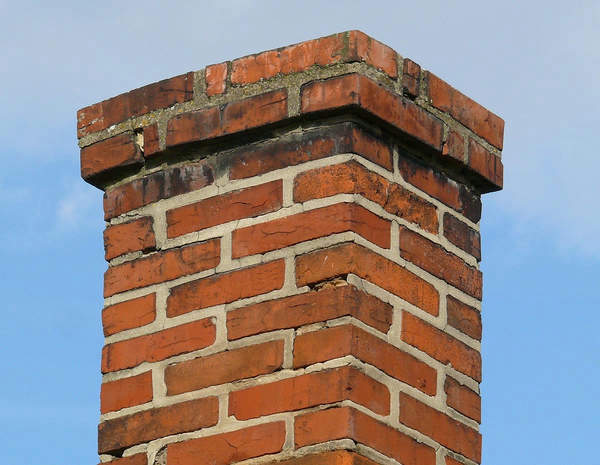
Chimneys, often seen as quaint architectural features, hold more than just historical charm. These ancient structures can be critical indicators of a home’s overall safety. Understanding what these “chimney whispers” convey is essential for homeowners and property buyers. Regular and professional inspections can prevent potential hazards and ensure the structural integrity of a home.
The Structural Secrets of Chimneys
Chimneys are not just conduits for smoke; they are complex structures integral to a home’s framework. Professionals often examine the following aspects to assess a chimney’s condition:
- Mortar Joints: Deteriorating mortar joints can lead to structural instability. Inspectors look for cracks, gaps, or crumbling mortar, which may require tuckpointing to restore stability.
- Flue Liners: A damaged or missing flue liner poses significant fire risks. It is essential to ensure that the liner is intact and meets current safety standards.
- Chimney Cap: A properly fitted cap prevents water, debris, and animals from entering the chimney. Inspectors check for corrosion or damage that might compromise its effectiveness.
Common Hazards Identified in Chimneys
Chimney inspections often reveal hazards that can affect both safety and efficiency. Some common issues include:
- Creosote Buildup: A thick layer of creosote is a fire hazard. Regular cleaning is crucial to minimize the risk.
- Obstructions: Bird nests, leaves, and other debris can block the chimney, leading to harmful smoke and gases entering the home.
- Brick and Masonry Damage: Spalling bricks or stones can signify water damage or freeze-thaw cycles, which may require repair to prevent further deterioration.
Industry Standards and Best Practices
Adherence to industry standards, such as those set by the National Fire Protection Association (NFPA), ensures comprehensive chimney assessments. Inspectors typically follow NFPA 211 guidelines, which recommend annual inspections and maintenance.
For optimal safety, homeowners are advised to schedule inspections in alignment with these standards, especially before the start of the heating season.
In conclusion, chimneys are silent sentinels that can reveal critical safety insights. Professional home inspections help uncover these whispers, ensuring both safety and peace of mind for homeowners. Regular assessments not only protect properties but also enhance their longevity and efficiency. Engaging with professional inspection services ensures these ancient structures continue to serve their purpose safely.